 Widely Read
The Blueberry on This Bag Is the Flavor, Not the Ingredient.
SuperBeets Memory + Focus is a blueberry-pomegranate soft chew sold by GNC, forty dollars for thirty. Its panel names a root, a grape polyphenol and a coffee fruit, and I read each against its study.

This is a paid advertisement. Sponsored by GNC Holdings, LLC (seller); Human Power of N (HumanN), maker.

Grady Wilkes is the pen name of this desk.
Everything on this page about the chew comes from the seller's own product page, the photograph of its panel and its published shipping and return terms, all read on September 20, 2026.
The customers quoted here are real and their reviews are public on the seller's page, where the seller's own review system notes that they were first posted on the maker's site.
They carry no purchase mark and this page does not give them one.
The small portraits beside them are illustrations, not the reviewers.
I have never met them and know nothing about them beyond the words they wrote.
There is a red pouch on my kitchen counter with a picture of fruit on the front of it, and I have been looking at that picture for three weeks.
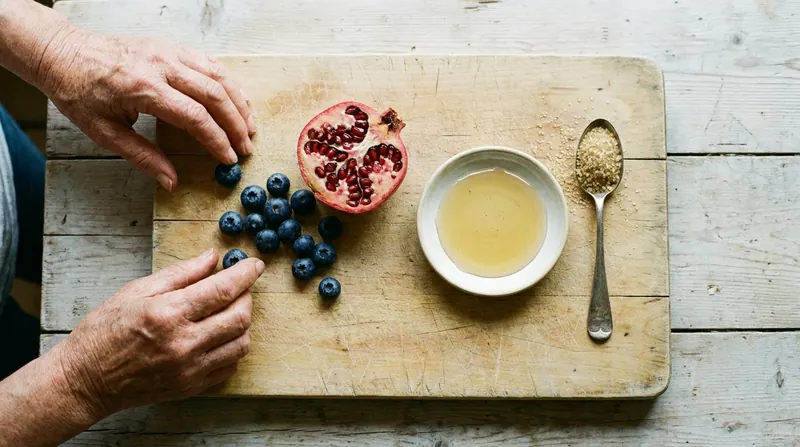
It shows blueberries and a split pomegranate.
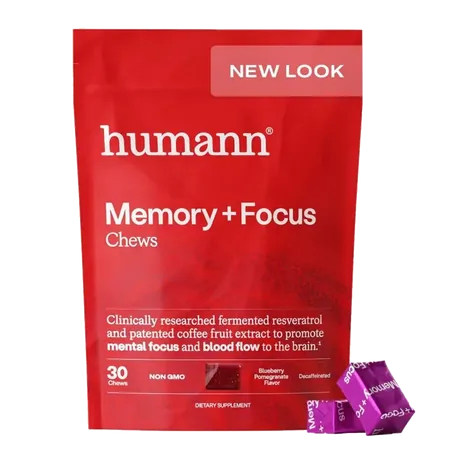
The bag is called SuperBeets Memory + Focus, it holds thirty small dark-red squares you chew, and the flavor printed under the name is Blueberry Pomegranate.
Neither of those two fruits is on the panel on the back.
They are the flavor, and the panel is something else entirely.
I want to be careful here, because this is not a complaint and it is not a scandal.
Every chewable candy in every store in America is flavored with something, and printing the flavor on the front is exactly what a company is supposed to do.
But a man reading the front of a bag deserves to know which words are the flavor and which words are the reason he is paying forty dollars.
So that is where this page starts.
Four different plants are named or pictured on this little pouch, and only three of them are actually counted on the back.
The chew is made for a company in Austin, Texas called HumanN and it is sold by GNC, whose name is on the store and whose Pittsburgh address is on the return form.
Forty dollars buys thirty chews, one a day, which works out to a dollar and thirty-three cents a morning.
What you get for that dollar and thirty-three cents is five hundred and fifty milligrams of three plant ingredients, wrapped in two grams of sugar.
The rest of this page is what those three ingredients are, what each one weighs, and what the single study behind each one actually measured.
I will tell you the ending now: only one of the three studies measured memory at all, and it used more than this bag holds.
What Is Actually in the Pouch
Start with the physical thing, because the physical thing is not what most men picture when they hear the word supplement.
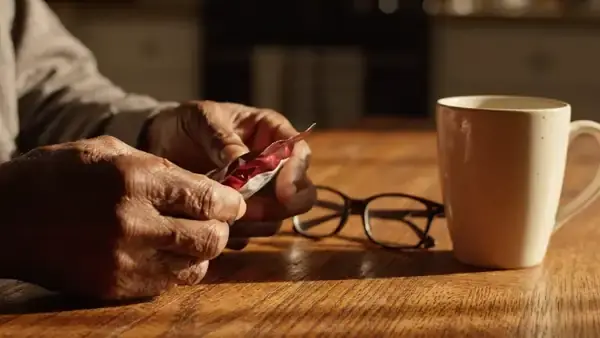
It is a resealable foil pouch that holds thirty soft chews.
Each one is a small dark-red square, about the size of a caramel, and you chew it and swallow it with nothing.
There is no water involved, no measuring, no counting anything out over a sink.
That is the whole appeal, and I am not going to pretend otherwise, because it is a real appeal and it is why a lot of men buy this instead of a bottle.
The label's direction is one sentence long.
"As a dietary supplement, take one (1) chew daily. Intended for adult consumption only."
Thirty chews, thirty days, one pouch a month.
That is the cleanest arithmetic on any label I have read this month, and it deserves to be said before I start subtracting things.
Now the panel on the back, which prints three named lines and nothing else.
- Beet root powder, three hundred milligrams.
- A grape-derived resveratrol with a trademark on it, one hundred and fifty milligrams.
- Coffee fruit extract, one hundred milligrams.
Five hundred and fifty milligrams in total.
Under that, the food facts, because this is legally a food and physically a candy.
Twenty calories a chew, four grams of carbohydrate, two grams of added sugar.
And then the list of other ingredients, which is what turns those five hundred and fifty milligrams into something you would put in your mouth on purpose.
Tapioca syrup, raw cane sugar, rice bran, flavorings, sunflower lecithin, sunflower oil, malic acid, glycerin, citric acid and a stevia extract.
That is the chew itself: the sweetener, the body, the tartness and the binding.
Three ingredients are the reason. Ten are the caramel.
The seller's own highlight list says the chew has no gluten, no lactose and no dairy, is suitable for vegans and vegetarians, and is not genetically modified.
Those are the seller's claims and I print them as the seller's claims.
The front of the pouch also carries one sentence of the maker's own, about mental focus and about blood flow, with a small asterisk at the end of it.
That asterisk points to the same federal statement printed at the foot of this page, and it is the only promise either company makes anywhere on the package.
Four Plants Are on This Bag. Three of Them Are Counted.
Here is the fruit accounting, and I promise it is the most useful two minutes on this page.
The front of the pouch shows a dark-red square of candy, and beside it, in type about the size of a shirt button, three lines: Blueberry Pomegranate Flavor.
The word that matters there is the third one, and the company printed it itself.
Turn the bag over and neither blueberry nor pomegranate appears in the three lines of the panel.
They are in the flavoring, and the front of the bag says so if you get close enough to read it.
The panel lists the flavoring simply as flavors, with no weight beside it.
How much blueberry or pomegranate is in a flavoring is not a number anyone prints, and it is almost certainly very small, because flavorings are used in fractions of a percent.
The fruit on the front is what it tastes like. It is not what you are buying.
This matters more than it might sound, because blueberry is one of the few fruits in this whole field with a trial of its own in people our age.
In a twelve-week study of twenty-six healthy adults averaging sixty-eight, a daily blueberry concentrate delivering three hundred and eighty-seven milligrams of anthocyanidins was associated with more blood reaching the brain on a scan and with a borderline improvement on a working-memory task. [1]
Three hundred and eighty-seven milligrams of anthocyanidins is a concentrate made from a great many blueberries.
A flavoring in a candy is not that, and nobody at either company is claiming that it is.
I am raising it because the picture on the front is a blueberry, the one trial worth knowing about used a lot of blueberry, and the bag's blueberry is neither.
Now the third plant, and this one is a small surprise.
The grape is on the panel, but it is not called a grape.
The second line reads resveratrol, with a trademark, and the fine print on the seller's ingredient tab says it is grape-derived.
So the pouch shows you two fruits that are flavor, and hides the one fruit that is actually in the formula behind a chemical name.
And the fourth plant is not a fruit at all.
It is a root, the beet, and its name is the biggest word on the front of the bag.
Line One: Three Hundred Milligrams of Beet Root Powder
The beet is the name of the brand and the first line of the panel, so it is where a fair reading has to start.
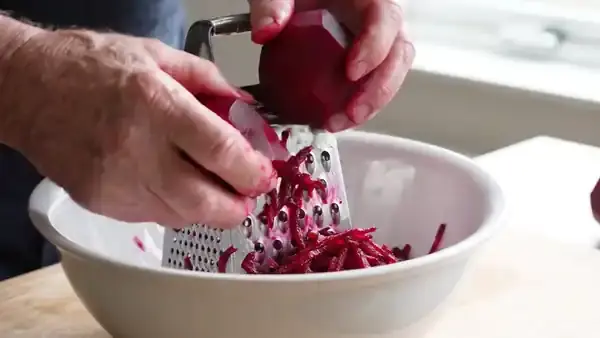
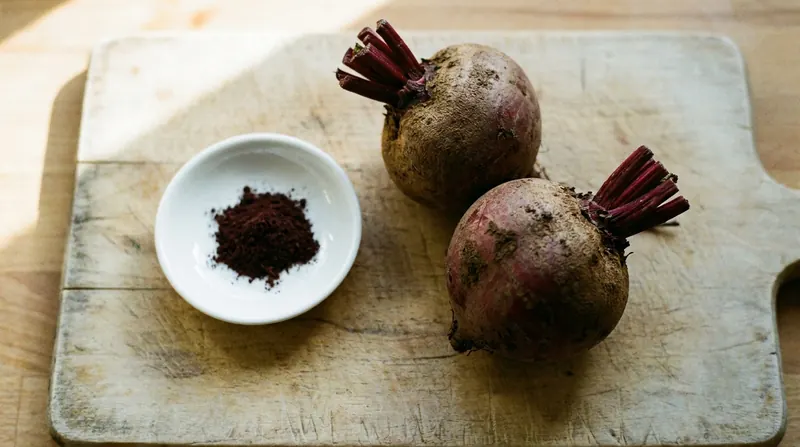
A beet is the deep-red root that stains a cutting board, and it is sold as a powder for one reason: it carries dietary nitrate.
The body turns nitrate into nitrite and then into nitric oxide, which widens blood vessels, and widening blood vessels is the entire mechanism this category is built on.
That is a real mechanism and I am not going to wave it away.
It is the reason beet juice became a sports drink around 2012, and athletes did not take it up because of an advertisement.
So what does three hundred milligrams of dried beet powder mean, in the kitchen?
Roughly a third of a gram, which is a scant pinch, and a long way from a glass of juice.
A medium beet weighs somewhere around one hundred grams before you do anything to it, and most of that weight is water.
Dry it and grind it and you have maybe ten or twelve grams of powder from that one beet.
Three hundred milligrams is about a fortieth of one beet.
I have checked that arithmetic twice because it sounds unkind and it is not meant to be.
It is simply what the number says, and the number is printed where anyone can see it, which is more than several bags on this desk can claim.
The Study Behind the Beet Measured a Scan, Not a Memory
There is one study I can honestly put next to this line, and I want to describe it exactly, because the description is the whole point.
Researchers took a small group of older adults, average age about seventy-five, and put them through a crossover design.
For one day they ate a diet high in nitrate that included beet juice, and for another they did not, and then they were scanned. [2]
What the scan found was this.
Overall blood flow to the brain did not change, and blood flow to one region, the white matter at the front, was higher after the nitrate day.
Read that twice, because both halves matter.
The total did not move; one region did.
Nobody in that study took a memory test, and nobody took three hundred milligrams of powder either.
They ate a day of nitrate-rich food and drank juice.
So the honest summary of line one is a sentence with three clauses, and I am going to write all three.
A day of nitrate-rich eating moved regional blood flow on a scan in people around seventy-five, that study did not measure memory, and three hundred milligrams of dried powder is a small fraction of what those people consumed.
One more practical note, and it is the sort of thing men wish somebody had told them.
Beet can turn your urine and your stool pink or red for a day, harmlessly, and it startles people who were not expecting it.
If you take anything daily, this is a line worth mentioning at the pharmacy counter before the first chew.
Nitrate-rich products are not something to start quietly alongside a daily routine somebody else set up for you.
Line Two: A Hundred and Fifty Milligrams From a Grape
The second line is the interesting one, and it is the only line on this panel with a memory result anywhere behind it.
Resveratrol is a polyphenol that grapes make in their skins, which is where the whole story about red wine came from in the 1990s.
The form in this chew is a branded grape-derived resveratrol, printed at one hundred and fifty milligrams a chew.
Now the study, and I am going to give you every number in it, because the numbers are the argument.
Forty-six healthy adults, aged fifty to seventy-five, all of them overweight, took two hundred milligrams a day for twenty-six weeks. [3]
At the end of those twenty-six weeks, compared with placebo, they held on to more words over a thirty-minute delay.
Their scans also showed higher connectivity in the hippocampus, which is the part of the brain most involved in laying down a memory in the first place.
Of the three lines on this panel, that is the only study that put a word list in front of a person and counted.
So say the good part plainly first.
This is a real randomized study, in adults of roughly our age, that ran for half a year and measured memory with a memory test.
Now the two things that keep it from being the end of the argument.
The first is the dose: the study used two hundred milligrams a day, and the chew prints one hundred and fifty.
That is three quarters, which is much closer than most labels on this desk get to their own trials.
It is still not the same number, and a page that quoted the study without saying so would be doing you a disservice.
The second is the people.
Every one of the forty-six was overweight, and the study also reported lower glycated hemoglobin and lower body fat in the group that took it, which tells you the researchers were interested in more than word recall.
Whether a man of sixty-six at a healthy weight gets the same result as an overweight man of sixty-six is a question that study cannot answer, because it did not enroll him.
The Other Grape Trials, and Why They Are Not This Line
While I was reading about that grape, I found two trials of a different grape preparation, and honesty requires me to put them here even though they cut both ways.
A standardized whole-grape extract, sold to manufacturers under its own trade name, has been tested twice in healthy older adults.
In one twelve-week trial of one hundred and eleven people, two hundred and fifty milligrams a day came out ahead of placebo on a mental-status test and on a battery that included attention, language and both immediate and delayed recall. [4]
In a second trial of ninety-six healthy older adults, the same two hundred and fifty milligrams a day for eighty-four days came out ahead on similar measures. [5]
Both of those are better-looking results, in better-matched people, than the resveratrol study I described a moment ago.
So why am I not selling you on them?
Because they are not what is in this chew.
A whole-grape extract and a purified grape-derived resveratrol are two different products with two different compositions, and the trials belong to the extract, not to the molecule.
Both trials also carried authors connected to the company that makes the extract, which is worth knowing and does not by itself make a study wrong.
A study of a different grape preparation is not a study of this one, and I will not let it be borrowed.
I include them for one practical reason.
If the grape is what interested you in this bag, then there is more and better evidence in this field for a preparation that is not in this bag, and you deserve to know that before you spend the forty dollars rather than after.
Line Three: The Red Fruit Around the Coffee Bean
The third line is the one nobody recognizes, and it is my favorite thing on the panel for a reason that has nothing to do with the evidence.
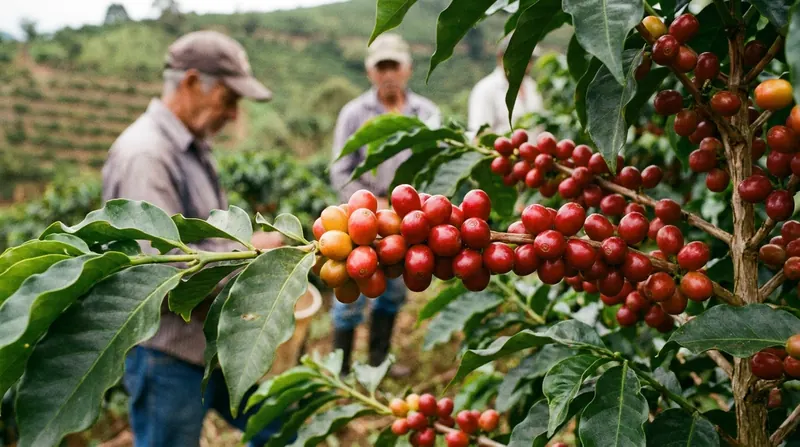
Coffee grows as a small red berry.
Inside that berry are the two green seeds we roast and call beans, and for most of the history of coffee the red fruit around them was thrown away.
It has a name where coffee is grown.
In Yemen and Bolivia the dried fruit is brewed as a drink called cascara, and it tastes, by every account, like a thin tart tea rather than like coffee.
This chew holds one hundred milligrams of an extract of that fruit.
And here is the part that makes it interesting: one hundred milligrams is exactly the amount used in the study behind it.
That study was a single-dose experiment in healthy adults, ten people to a group.
One hundred milligrams of whole coffee fruit concentrate raised the blood level of a protein called BDNF by about one hundred and forty-three percent from baseline over two hours, against about thirty-one percent for green coffee caffeine or grape seed extract. [6]
The authors themselves asked for larger studies, which is the sentence people quoting this study always leave out.
I am not leaving it out.
Ten people per group, one dose, two hours.
A protein measured in blood, and no test of anybody's memory at any point.
BDNF is a real protein and a genuinely interesting one; it is involved in how nerve cells grow and connect.
A number in a tube going up for two hours is not the same thing as a man remembering a name at the hardware store, and the distance between those two sentences is where most of the marketing in this category lives.
The match between the label and the study is real. What the study measured is the part to hold on to.
The Word Decaffeinated, Printed on the Front
The first question anybody asks about a coffee ingredient is whether it will keep him up, and this bag answers it on the front.

Down in the small type beside the flavor, the pouch prints one word: Decaffeinated.
That is the maker's own statement about its coffee fruit extract, printed on the package where anybody can read it.
It is worth knowing why the word is there at all.
Coffee fruit grew around a coffee bean, so it carries caffeine in a small and variable amount unless somebody takes it out, and this maker says somebody did.
The panel itself prints no caffeine figure, which is normal.
Decaffeinated does not mean zero in any coffee product, it means most of it is gone, and nobody can give you a milligram number from this label.
What can be said about the scale is this.
One hundred milligrams of a decaffeinated fruit extract is nothing like a cup of coffee, and no reviewer on the seller's page describes a jittery morning.
For context on the amounts that matter, the federal food agency cites four hundred milligrams of caffeine a day, about two to three twelve-ounce cups of brewed coffee, as an amount not generally associated with negative effects in most healthy adults. [7]
The European safety panel landed in the same neighborhood: single doses up to two hundred milligrams and daily intakes up to four hundred do not raise safety concerns in healthy adults. [8]
I put those two sentences here for a practical reason rather than a scientific one.
If you start a chew on the same morning you go from two cups to three, you will never know which of the two you are feeling.
That is the most common way a man wastes forty dollars testing something.
Change one thing at a time and leave the coffee exactly where it was.
The Two Grams That Make It a Chew
Now the part of the panel nobody puts in an advertisement, and the part I would want a man counting sugar to read first.

Each chew carries twenty calories, four grams of carbohydrate and two grams of added sugar.
The sugar comes from tapioca syrup and raw cane sugar, with a stevia extract alongside them to finish the sweetness without adding more.
Two grams is about half a teaspoon.
For most men that is a trivial amount, smaller than what goes into a single cup of coffee at a diner.
For a few men it is not trivial at all, and those men know exactly who they are.
If you count every gram of added sugar for a reason somebody gave you, count this one too, because it is there every morning for thirty mornings.
The seller prints the number plainly on the panel, which is the correct behavior, and this page prints it too.
The rest of the other-ingredients list is ordinary food manufacturing.
Rice bran and sunflower lecithin give it body and keep it from sticking, sunflower oil keeps the surface from drying, malic and citric acid give it the tartness that makes fruit flavor taste like fruit.
Glycerin keeps it soft in the pouch.
That is why a chew a month into the bag is still a chew and not a pebble.
What you are physically buying is a small piece of fruit-flavored candy carrying about half a gram of plant material.
That sentence is not an insult and it is not a compliment.
It is a description, and I would rather hand it to you now than let you work it out on the fourth morning.
Two Companies Are on This Bag, and They Are Not the Same Company
This is short, and it is the part of any page that decides whether the rest of it is worth your attention.
The chew is made for HumanN, whose legal name is Human Power of N, at 1250 South Capital of Texas Highway in Austin, Texas.
That is the company behind the beet brand you have probably seen on television.
The seller is GNC, legally GNC Holdings, LLC, and the address printed on its own service pages is 75 Hopper Place, Suite 501, Pittsburgh, Pennsylvania.
Its telephone number, answered by people on a published schedule, is 1-877-462-4700, and its service address is customer-service@gnc-hq.com.
The distinction is not academic and it comes up twice on this page.
The return terms are GNC's, not HumanN's, and the reviews were written somewhere else entirely, which is the next section.
Two named companies, two street addresses, one telephone number a person answers, and a panel with every weight printed on it. That is the floor, and plenty of bags on this desk do not clear it.
GNC also puts this chew in a category on its own site that is worth noticing.
It files it under beets and superfoods, not under anything to do with the brain, and the only promise GNC prints anywhere near it is the product's own name.
That restraint is unusual and I want to credit it.
The name on the front says what the maker hopes; the seller's page does not pile more on top of it.
Where These Reviews Were Actually Written
GNC's product page carries three hundred and fifty-five ratings with an average of four stars, and the shape of that number is more honest than most.
Fifty-three percent are at five stars, fourteen at four, twenty-one at three, five at two and eight at one.
An average of four with a fifth of the ratings at three stars and nearly a tenth at one star is a distribution that looks like real people rather than a filter.
A page that shows you its one-star reviews is telling you something about itself before you read a word of them.
Now the part that took me a while to notice, and it is the reason the reviews on this page carry no purchase mark.
Every review I read on GNC's page carries a small note from GNC's own review system saying it was originally posted at HumanN.
That means these are syndicated reviews: written by customers on the maker's own store and then fed through to the seller's page.
They are real reviews from real customers, and they are not confirmed purchases from GNC, because GNC did not sell those particular bags.
So this page presents them as what they are: published customer reviews on the seller's page, with no purchase mark, because none of them carries one.
I read the ten most recent in the default order and kept six.
I threw out one that used language this page does not print, one that was a general claim about energy with nothing specific in it, one written by a wife about her husband, and one from a family business.
What is left is small and useful, and I have kept the four-star one on purpose.

I am 85 years old I play cards I can figure my score without help I do fillin puzzles and Word Search every day This has helped me so much I am Blessed.

I noticed a difference in a few weeks. I was thinking more clearly and came up with solutions to situations more easily. The difference is very subtle, but if one is in tune with their body and brain, I think you'll notice improvement. I'm in my 70's.

Still early but finding words a bit sooner than the previous few years.

i have autoship on this, take 2 a day & tastes so good, as the name says, it really helps my memory esp focus since am now 71, thank you for this great product!

Their tasty and I love that you can grab and eat on your way to work.

My memory seems to be very good after using them for quite a while That makes me feel good about that
Read those six together and notice what they have in common.
Not one of them describes anything sudden, and the four-star review is about nothing but how easy it is to carry.
Notice also what Margie wrote, because it is the most careful sentence in the group.
She said it was still early, and she described finding words a bit sooner, which is a small and specific claim rather than a large one.
And notice Irma, who takes two a day.
The label says one, the pouch holds thirty, and a man taking two is buying fifteen days of chews for forty dollars, which is a different price than the one on this page.
The label says one chew daily. If you take two, the arithmetic in every section below changes, and so does everything about the amounts in the studies.
These are opinions, and opinions are not evidence.
They tell you whether a thing arrives, whether it tastes good and whether people stayed with it, and they cannot tell you what a plant did inside anyone.

What Thirty Chews Cost, With the Shipping Added
Before any of the arithmetic, it helps to see the thing being priced.
This is the pouch the three studies, the ten ingredients that make it a chew and the six reviews above have all been about.
The list price on the seller's page is thirty-nine dollars and ninety-nine cents for the pouch of thirty.
Divide it out and that is one dollar and thirty-three cents a chew.
As a daily cost it sits between a gas-station coffee and a coffee made by somebody with an apron on.
Then there is the shipping, and this is where the arithmetic gets less friendly.
Standard shipping on the seller's site costs twelve dollars and ninety-nine cents and arrives in two to five business days, unless your order reaches fifty-nine dollars, at which point shipping costs nothing.
One pouch is forty dollars. One pouch delivered is fifty-three.
That is a thirty-three percent difference between the price on the page and the price on the receipt, and it is worth saying out loud.
You can avoid it two ways: reach fifty-nine dollars with something else you were going to buy anyway, or pick the bag up at a store, which the seller also offers.
The day I read the page it also carried a line saying thirty percent came off in the cart.
I am not quoting a sale price on this page, because a sale price on a Tuesday is not a fact about a product, and by the time you read this it may be a different Tuesday.
Read the list price, add the shipping, and decide on that number. Whatever comes off in the cart is a bonus, not a plan.
There is one more channel worth mentioning in a sentence.
The maker sells it on its own site as well, and it turns up in large marketplaces and in pharmacies, and the return terms below belong to the seller you actually buy from.
Thirty Days, Used or Unused
The return terms here are the most generous I have read on any seller's page this month, and I want to quote the wording rather than summarize it.

The seller's own text says that if you are not satisfied with an item you have purchased, you may return it within thirty days from the order date for a full refund of the purchase price, minus shipping or other charges.
And then the clause that matters: the item must be returned, unused or used, in good condition, in the original box wherever possible.
Read that second clause again.
Most companies in this category want the unopened portion back, at your expense, in a carton you probably threw away.
This one says you may open the pouch, eat the chews, decide it did nothing for you and still ask for your money back inside thirty days.
That is a real and unusual promise, and it deserves credit without any softening.
It also has two hard edges, and I would want both of them written on my receipt.
- The clock starts at the order date, not at the day the pouch arrives on your porch, and shipping takes two to five business days out of your thirty.
- The refund is the purchase price minus shipping, so the thirteen dollars of standard shipping does not come back to you.
So the real test window is somewhere around twenty-five days of chewing, and the real cost of a failed test is the shipping.
Both of those are perfectly reasonable, and neither is what a man assumes when he reads thirty days.
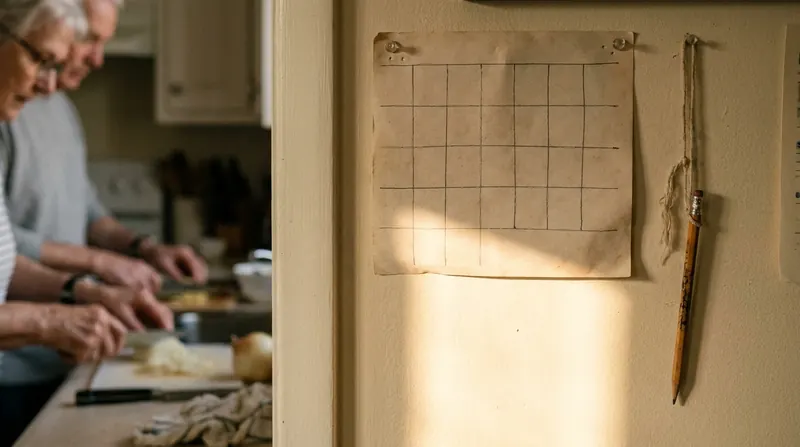
Write the order date on the kitchen calendar the day you click. Thirty days from that date is your deadline, and nobody is going to remind you.
The pouch holds thirty chews and the window is thirty days from ordering.
The bag and the deadline do not quite line up, which is the single most useful sentence in this section.
Where to Keep the Pouch, and Why That Matters
This is a small section about a small thing, and it is the sort of small thing that decides whether a thirty-day test finishes.
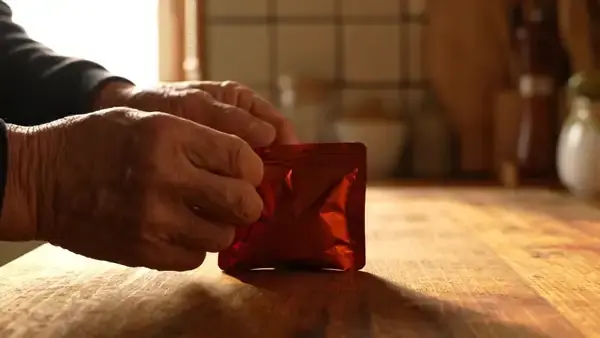
Glycerin is what keeps a soft chew soft, and glycerin is also what makes a soft chew a poor traveler.
Leave the pouch in a hot car in July and you will come back to thirty squares fused into one dark-red brick.
The pouch reseals, which is the point of the fold across the top, and the fold only works if you press it.
Half the men who tell me a chew went hard left the bag open on a counter for a week.
A pouch you can close is only closed if you close it.
Keep it somewhere cool and out of the sun, and keep it somewhere you already stand every single morning.
Those are two different requirements and the second one matters more than the first.
The shelf above the coffee maker beats the cupboard by the door, and the cupboard by the door beats the drawer in the bedroom.
A supplement lives or dies on whether it sits in the path you already walk before seven in the morning.
Thirty chews is thirty days only if you take thirty of them, and the most common reason a pouch of thirty lasts two months is a cupboard.
One more practical note about the squares themselves.
They are individually the size of a caramel and they are chewy rather than hard, so a man with dental work he is careful about should chew on the side he trusts.
The Three Studies, Side by Side
Here is the whole evidence section of this page in one place, in the order I would say it across a kitchen table.

- Beet root powder, 300 mg. One day of nitrate-rich eating that included beet juice, in older adults averaging about seventy-five, left overall brain blood flow unchanged and was associated with higher blood flow in one frontal region on a scan. No memory test, and a day of food and juice rather than a third of a gram of powder. [2]
- Grape-derived resveratrol, 150 mg. Two hundred milligrams a day for twenty-six weeks in forty-six overweight adults aged fifty to seventy-five was associated with holding on to more words after thirty minutes and with higher hippocampal connectivity on a scan. The only memory result of the three, at a quarter more than this chew carries. [3]
- Coffee fruit extract, 100 mg. A single dose of one hundred milligrams, ten people to a group, raised a blood protein by about one hundred and forty-three percent over two hours, against thirty-one percent for two comparison substances, with the authors asking for larger studies. The label's amount matches the study's amount exactly, and what the study measured was blood. [6]
Three lines, three studies, and three completely different kinds of evidence.
One is an image of blood flow after a day of food, one is a blood protein after a single dose in twenty people, and one is a word list after half a year.
Only the middle one asked anybody to remember anything.
Nobody has ever tested these three ingredients together, in this chew, in anyone.
That is not a knock on this product specifically; it is true of nearly every combination product in this category, and it is worth saying once, plainly, on every page like this one.
The Cheaper Things, and I Do Mean Cheaper
Before any pouch, there are three things that cost nothing and that I have watched change a man's mornings more than anything on a supplement shelf.
The first is water.
In a study of one thousand one hundred and eleven adults aged sixty to eighty-nine, the third who were measurably short of fluid slipped faster on a processing-speed test than the rest. [9]
A review of eighteen studies covering thirty-three thousand seven hundred and seven adults over sixty landed in the same place: being short of fluid in later life travels with worse outcomes across the board and with poorer scores on tests of thinking. [10]
Neither of those tested a product, and both of them cost you nothing to act on tomorrow morning.
The second is the shape of what you eat.
In a Brazilian group of ten thousand seven hundred and seventy-five adults followed for a median of eight years, the people eating the most heavily processed food slipped faster on tests of memory and word-finding than the people eating the least. [11]
And in a three-year randomized trial of six hundred and four older adults, a Mediterranean-style eating pattern and a mildly calorie-restricted comparison diet both improved scores, with no difference between them. [12]
Read those two together and the lesson is about the whole pattern over years, not about any single food.
Water, the shape of the plate, and enough sleep, before a dollar thirty-three a morning.
The third is the hour of the day you are actually asking about.
Most men who tell me their afternoons are hazy are describing an afternoon, and an afternoon is a different problem from a morning.
A chew at seven tells you nothing about four o'clock unless you were paying attention at four o'clock before you started.
Which brings me to the only part of this page that will change what you find out.

How I Would Test One Pouch
If you buy this, buy one pouch and run it as an experiment with a deadline, because the return terms have already set the deadline for you.

Write the order date on the calendar and count thirty days forward.
Then set the rules before the pouch arrives, because rules you set afterwards are not rules.
- One chew, at the same hour, every morning, and nothing else new for the whole test.
- Not a second supplement, not a third cup of coffee, not a different bedtime, not a new pair of glasses.
- One line a day in a pocket notebook, written at the same time each evening, about the same two things.
- Pick your two things in advance and keep them small: the names of people at the counter, and the four o'clock hour.
- Photograph the panel with your phone the day it arrives, so the pharmacy conversation takes ninety seconds instead of nine minutes.
- Put the pouch where you already stand every morning, because a pouch in a cupboard is a pouch you will abandon in nine days.
Four weeks is a fair first look at almost anything in this category.
The one study on this panel that measured memory ran for twenty-six weeks, and it measured nothing at all at week one.
That gap between your thirty days and their twenty-six weeks is real, and there is no way around it.
What you can honestly learn in thirty days is whether you will keep taking it, whether it upsets anything, and whether you notice something you wrote down.
Nobody can remember in November what his afternoons were like in September. A notebook can, and it costs two dollars.
And if the taste beats you, or the sugar does, that is a result too, and it arrived cheaply.
Ask for the refund inside the window, note what the problem was, and keep your forty dollars.
Where the Pouch Comes From
The seller's page is the only place this page sends you, and it is the page where the thirty-day terms apply.

Buying it there is not loyalty to anybody.
It is where the return terms quoted on this page are published, and a return term you cannot find in writing is not a return term.
If your order does not reach fifty-nine dollars, look at the store pickup option before you pay the thirteen dollars.
That is the whole of my advice about where to click.
The Bag in One Breath
Here is the entire thing in the order I would say it, with nothing left out that matters.
- A resealable pouch of thirty soft chews, made for HumanN of Austin, Texas and sold by GNC Holdings, LLC of Pittsburgh, Pennsylvania.
- One chew a day, chewed and swallowed with nothing, which is the whole reason a lot of men choose it over a bottle.
- The front says Blueberry Pomegranate Flavor, and the company printed the word flavor itself; neither fruit is on the panel.
- The front also prints the word Decaffeinated beside it, which is the maker's statement about its coffee fruit extract.
- The panel prints three lines and nothing more: beet root powder 300 mg, a grape-derived resveratrol 150 mg, coffee fruit extract 100 mg. Five hundred and fifty milligrams in all.
- Twenty calories, four grams of carbohydrate and two grams of added sugar a chew, from tapioca syrup and raw cane sugar with stevia alongside.
- The beet study was a single day of nitrate-rich eating with juice, in adults around seventy-five, and it measured blood flow on a scan rather than memory. [2]
- The resveratrol study is the only one of the three that measured memory: twenty-six weeks, forty-six overweight adults aged fifty to seventy-five, at two hundred milligrams a day against the chew's one hundred and fifty. [3]
- The coffee fruit line matches its study's amount exactly, and that study was a single dose in ten people per group measuring a protein in blood over two hours. [6]
- Two better-looking grape trials exist at two hundred and fifty milligrams a day in healthy older adults, and they tested a different preparation that is not in this chew. [4] [5]
- Three hundred and fifty-five ratings averaging four stars, with a fifth at three and nearly a tenth at one, and every one of them written first on the maker's site and fed through to the seller's page.
- Thirty-nine ninety-nine for the pouch; thirteen dollars of standard shipping unless the order reaches fifty-nine, which makes one delivered pouch about fifty-three dollars.
- Thirty days from the order date for a full refund of the purchase price minus shipping, with the item accepted used or unused, which is rarer than it sounds.
- No study has ever tested these three ingredients together in anyone, in this chew or in any other form.
- Before any of it: water, the shape of what you eat, and the hour you are actually asking about. [9] [10] [11] [12]
Every ingredient in the chew, the three named lines and the ten that make it a chew, with the amount the panel prints and the study behind it where one exists, is written out in the ingredient guide linked at the foot of this page.
That guide also carries the cautions in full, the references, and the disclosures this page is required to make.
One pouch of thirty, from the seller who takes it back used
One soft blueberry-pomegranate chew a day of beet powder, a grape polyphenol and coffee fruit, made for a Texas company and sold by GNC.
SEE THE POUCH AND THE PANELSold by GNC Holdings, LLC, Pittsburgh, Pennsylvania · made for HumanN, Austin, Texas · thirty blueberry-pomegranate soft chews, one a day · thirty days from the order date, used or unused, purchase price minus shipping
What men ask me about the chew
Do I need water with it?
No. You chew it and swallow it, which is the main thing people like about it.
Is there really no blueberry in it?
There is blueberry flavoring. Blueberry is not one of the three named lines on the panel.
What does it taste like?
Sweet and tart, like a fruit candy. That is what the two grams of sugar and the malic and citric acid are for.
Which line has the best support?
The grape-derived resveratrol, from a twenty-six-week study in forty-six overweight adults aged fifty to seventy-five, at two hundred milligrams a day against the chew's one hundred and fifty. [3]
Does it have caffeine?
The front of the pouch prints the word Decaffeinated. That is the maker's statement, and the panel gives no milligram figure.
Should I ask anyone before I start?
Yes, if you take anything daily. Take the pouch to your pharmacist and ask about the beet line in particular.
How long before I would know anything?
Four weeks is a fair first look. The one study here that measured memory ran twenty-six weeks.
What exactly do the thirty days cover?
A full refund of the purchase price, minus shipping, within thirty days of the order date, with the pouch accepted used or unused.
Are the reviews real?
Yes, and they were written on the maker's site and fed through to the seller's page. They carry no purchase mark, so this page does not give them one.
What One Chew a Day Is Actually Worth
Here is the whole thing in one breath.
This is an honestly printed three-line panel on a pleasant piece of candy, from two companies you can find and telephone, sold with the most forgiving return terms on this desk.
One of its three lines has a real memory study behind it, in roughly the right people, at a dose a quarter above what the chew carries.
The other two lines have a scan and a blood test behind them, in twenty people and in a single day, and neither of those studies asked anybody to remember anything.
Nobody has tested the three together, and the front of the bag shows you two fruits that are the flavor.
What you are really buying, over and above the five hundred and fifty milligrams, is a morning you will actually keep.
A chew you take at the counter without a glass of water is a habit a man can hold for a month, and a bottle of capsules by the sink very often is not.
That is not nothing, and this page has read a lot of abandoned bottles.
So if you are a man who will not swallow capsules, who wants every weight printed where he can see it, who will ask a pharmacist about the beet line and who will write one line a day for a month, this is a fair forty dollars and a fair thirty-day test.
If you count every gram of sugar, or if you were buying it for the blueberry on the front, read the panel one more time before you order.
And if what you are really asking about is the four o'clock hour, start with water, the plate and the sleep, because they cost nothing and they are better evidenced than anything on this panel.
Thirty mornings, and a date on the calendar
One soft blueberry-pomegranate chew a day of beet powder, a grape polyphenol and coffee fruit, made for a Texas company and sold by GNC.
SEE THE POUCH AND THE PANEL$39.99 for the pouch of thirty · standard shipping $12.99, or nothing above $59, or pick it up in a store · thirty days from the order date, used or unused, purchase price minus shipping
P.S. If you remember two things from this page, remember these.
One hundred and fifty milligrams of grape-derived resveratrol against the two hundred that produced the only memory result on this panel.
And the blueberry on the front of the bag, which is the flavor.
P.P.S. If the haze has been with you for a year, and it is there before the coffee as well as after it, talk to your own clinician before you buy anything at all.
A fruit-flavored chew was never going to answer a question that a clinician answers in fifteen minutes and a blood test.